New Doors · Palgrave
Commercial Rolling Door Repair in Palgrave
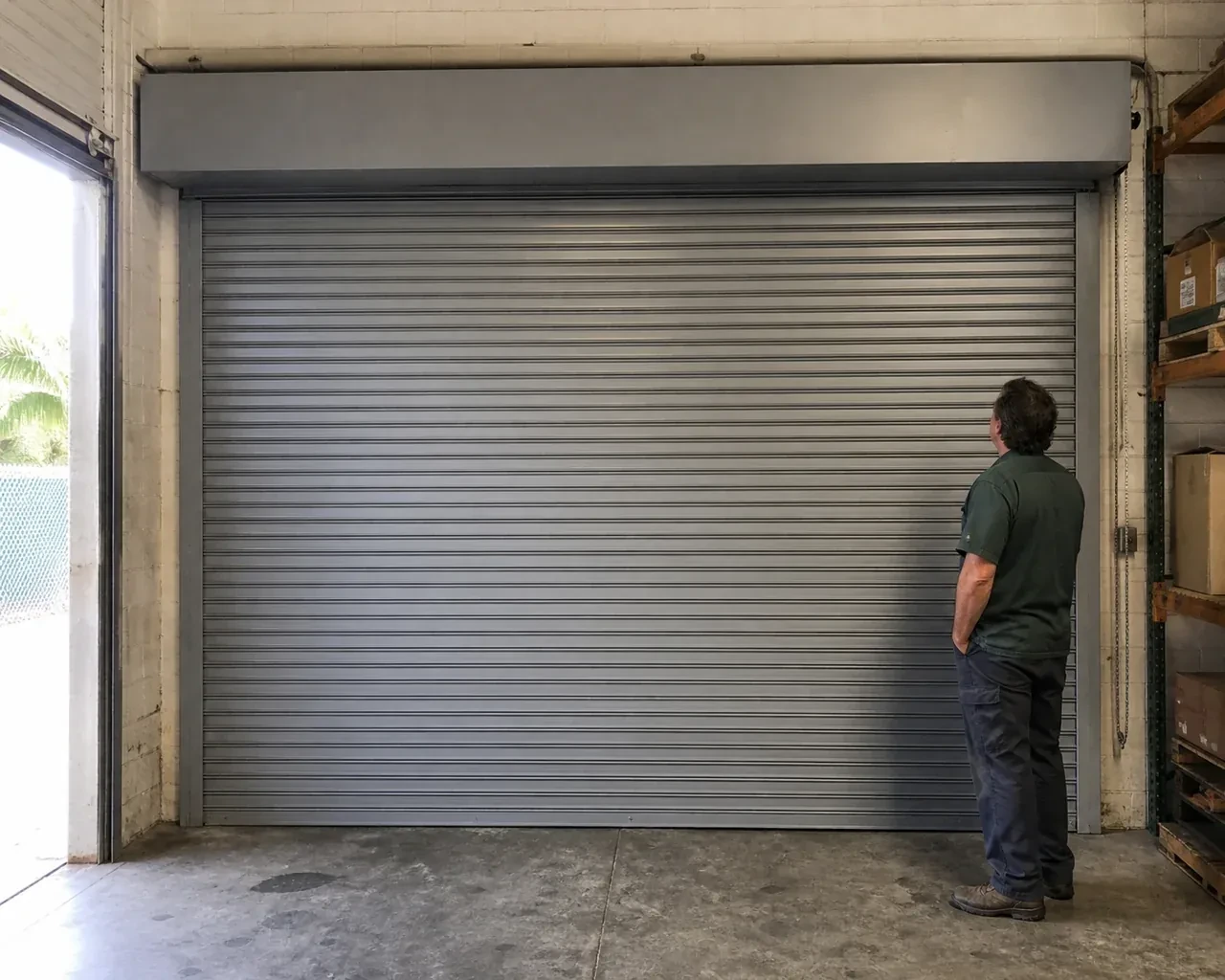
At closing time, the bottom bar reaches the floor on one end while daylight remains under the other. The slide bolts miss their keepers, leaving staff unable to secure the business opening in its usual way.
Commercial Rolling Door Repair
In plain words
When a door is stuck closed, the first goal is to understand what is holding it rather than adding force. A lock may still be engaged, a damaged slat may be wedged in a guide, the bottom seal may be frozen down, or the operator brake and limits may need attention. Traffic is redirected, power and stored spring energy are controlled, and the curtain is supported before parts are released. The repair follows the actual cause, after which the door is cycled under observation and the business receives a clear account of the work and operating checks.
How the visit goesAt closing time, the bottom bar reaches the floor on one end while daylight remains under the other. The slide bolts miss their keepers, leaving staff unable to secure the business opening in its usual way.
Palgrave
How the visit goes
Follow the powered control chain
For a motor-operated door, the assessment moves from command to motion in a defined sequence. The control station, key switch or access input is observed; lock and pass-door interlocks are checked where present; then the operator brake, drive, limits and manual hoist or disconnect are reviewed. Photoelectric sensors and sensing edges are identified by function rather than assumed to be interchangeable. Their mounting, wiring condition, alignment and response are checked against the operator information. This approach shows whether a stopping complaint comes from protective logic, a control fault, limit setting or resistance in the door itself.
Renew damaged curtain sections
When damage is confined to serviceable slats or a section of sheet curtain, the affected material is brought to an accessible position and supported. Endlocks, windlocks or fasteners are removed in the sequence suited to that construction, the distorted pieces are separated, and compatible replacements are fitted with the correct orientation and spacing. Adjacent material is checked because impact can stretch joints beyond the obvious dent. The repaired curtain is guided through the opening by hand under control, confirming that the new section flexes into the coil and travels past the guide entrances without catching.
Practical protection from another impact
A repaired impact area offers useful evidence for prevention. The technician can show where the vehicle contacted the guide, bottom bar or curtain and which travel lane placed it there. Facility managers can respond with visible floor markings, adjusted staging, guide guards or a revised stopping point where those choices suit the site. Operators should report even a light strike because a guide can move before damage looks dramatic. Checking bottom-bar level, guide clearance and fasteners after contact turns a small event into a manageable inspection instead of allowing repeated cycles to spread distortion through the curtain.
Commercial Rolling Door Repair
In the van
- Windlocks and curtain fasteners
- Barrel and headplate brackets
- Bottom bar and astragal
- Curtain slats and endlocks
- Bearings and tension wheel
What affects the quote
Same fees day, night or weekend
1Curtain position when work begins
A curtain resting closed, stopped mid-travel or held near the hood presents a different securing and access plan. Its position affects how components can be reached and supported.
2Testing and documentation
Normal cycles, manual operation, protective responses, fire-door procedures and facility records vary by assembly. The proposal can name the demonstrations, measurements and written results included at handover.
3Bottom bar and sealing needs
A twisted bottom bar, torn astragal, worn retainer, sensing edge and misaligned slide bolts are distinct items. Floor slope and threshold condition also influence the closure-line work.
Commercial Rolling Door Repair: questions
What makes a rolling door different from a sectional overhead door?
A rolling door uses interlocking slats or a flexible sheet that coils around a barrel above the opening. A sectional door uses hinged panels that travel along horizontal or vertical tracks. Their guides, counterbalance arrangements, clearances and repair parts differ, so identifying the construction before service is an important first step.
How should we prepare the loading area?
Move vehicles, pallets and loose packaging away from both faces of the opening, and identify an alternate route for staff and deliveries. Provide access to the control station, disconnect and any door records. A facility contact who understands normal operation and can authorise testing makes it easier to reproduce the complaint under controlled conditions.
Why is there a grinding or clattering sound near the hood?
Noise at the head can come from worn barrel bearings, loose brackets, misaligned drive chain or sprockets, shifting slats, an uneven coil or hardware contacting the hood. The pattern matters: once per revolution suggests something different from continuous guide scrape. Controlled observation locates the source before a specific part is selected.
Installation & Upgrades
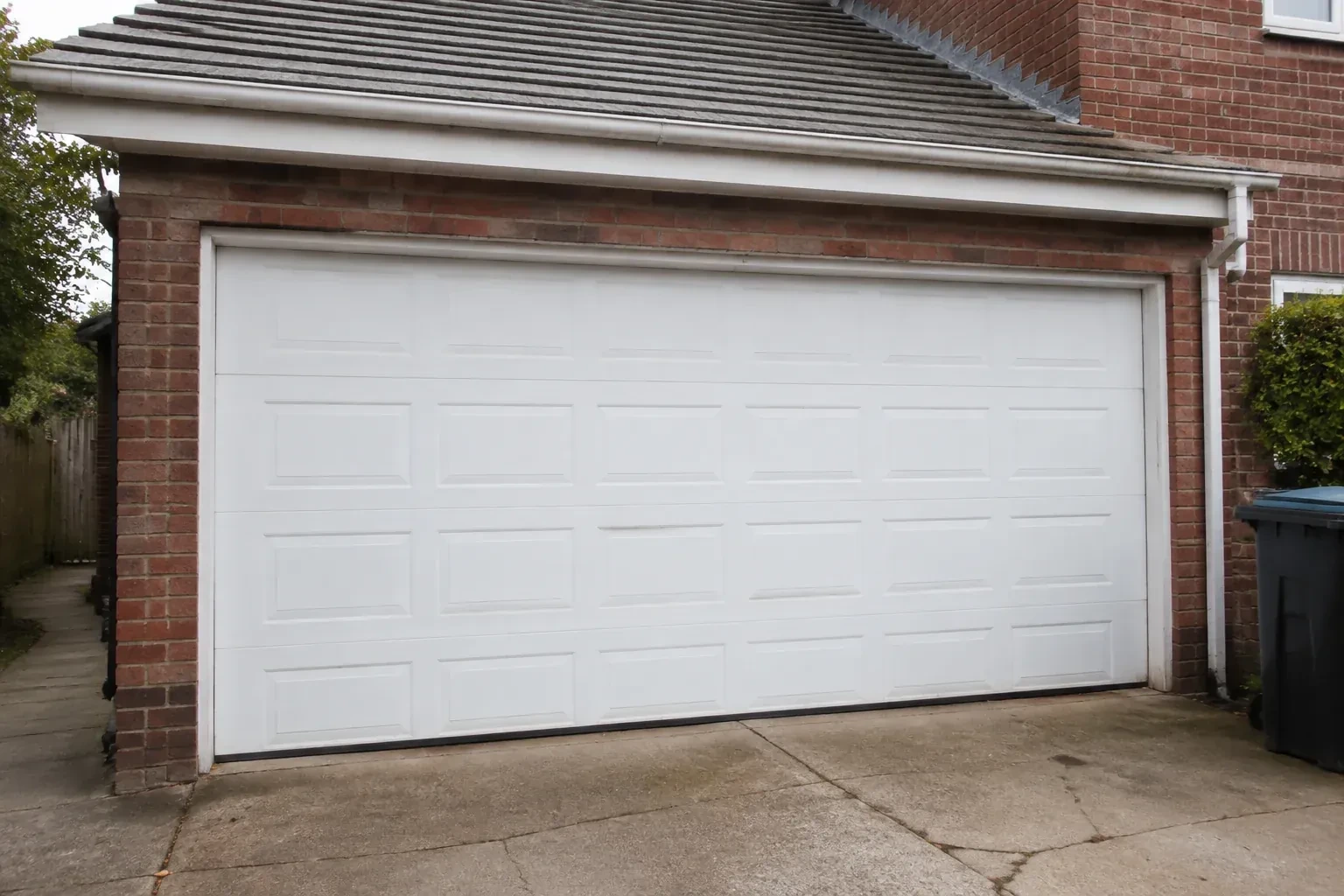
- Insulated Steel Garage Door InstallationSeveral sections are dented and the bottom edge has begun to rust.
- Wind-Rated Garage Door ReplacementStrong gusts make the centre of your wide garage door bow inward and the rollers chatter in their…
- Carriage-House Garage Door InstallationA front elevation update has brought new trim, lighting and a deeper colour palette, leaving the…
Commercial Rolling Door Repair near you
Whatever brought you to this page from Palgrave, a door that stopped, a noise that started or a plan for a new door, the services below explain what we do about it. Repairs and maintenance, springs and hardware, openers and remotes, and new door installation are each covered in detail.